
Can AI be something I genuinely enjoy using and something I still have serious questions about? I am starting to think the contradiction may be part of the point.
pixelpia
148 posts


Sometimes a new idea is just a distraction. Other times, it seems to be pointing somewhere worth following. I’m beginning to wonder whether my different creative projects are really separate at all, or simply different ways into the same ongoing conversation.

Some of my better ideas seem to arrive sideways, appearing while I’m busy working on something else. Maybe our creative projects aren’t always competing for attention. Maybe they’re quietly feeding each other.

A break can restore energy, but sometimes it gives back something more useful: perspective. Stepping away can help us notice what still matters, what no longer does, and what we actually want to return to.

A two-week break left me wondering whether stepping away restores more than energy. Maybe it also gives attention, curiosity, and creative perspective room to return.

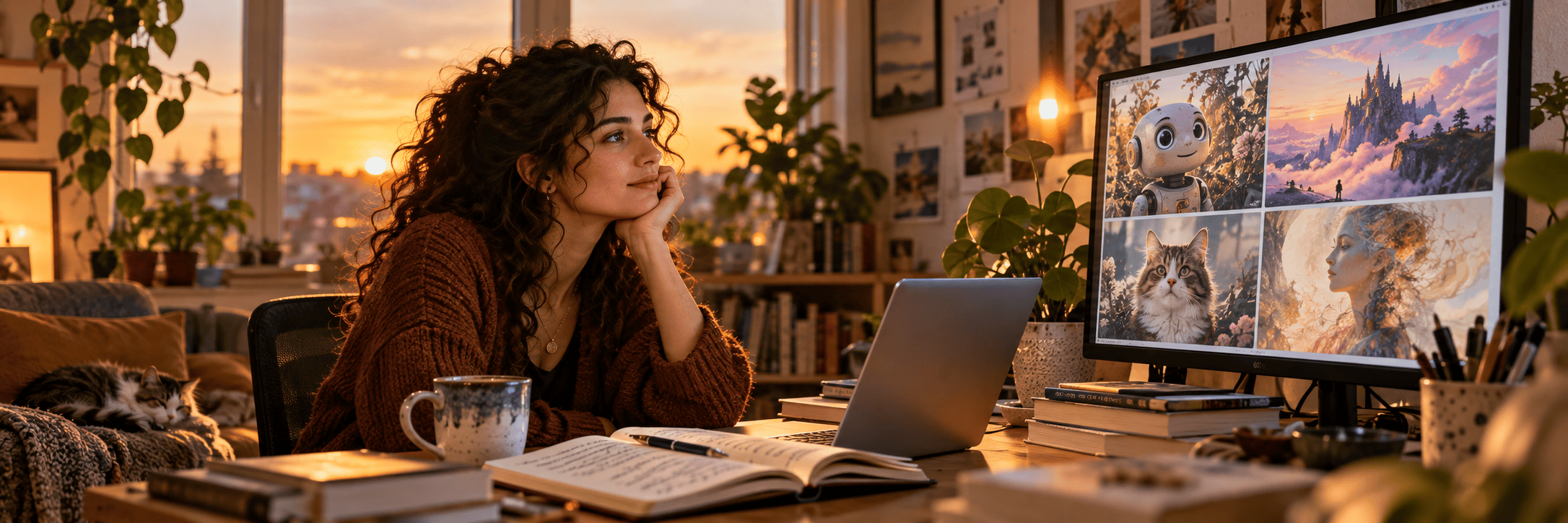




Sometimes the problem is not that we have run out of ideas. Sometimes the creative process has simply become too familiar. Curio reminded me what happens when something unexpected enters the room and makes me curious again.