When I asked myself on Monday if creativity could survive inside a schedule, I wasn’t sure what I meant. I think I was testing something quietly, trying to see if I would still feel inspired when the days started to line up neatly.
It turns out that structure doesn’t silence creativity. It shifts how it speaks. But I didn’t know that at first.
For most of my creative life, I lived in what I used to call productive chaos. I followed ideas as if they were fireflies, darting in unpredictable directions, often at night. I would write at odd hours, jump between projects, start something new simply because the mood felt right. There was an energy in that restlessness. I believed that discipline was for other people, that true inspiration couldn’t be timed. If the muse wanted to arrive at two in the morning, I was always willing to stay awake and listen.
But over time, that freedom started to blur. What once felt thrilling began to feel heavy. I had notebooks full of half-finished thoughts, outlines that never became essays, scripts waiting for a future version of me to finish them. I was constantly creating but rarely completing. And somewhere in that unstructured space, I started to lose track of what I actually wanted to say.
So when I built this new schedule, I expected resistance. I thought I would rebel against it, that my mind would wander, that the clock would feel like a cage. Instead, it surprised me.
Now, my days have rhythm. Monday is writing. Tuesday is filming. Wednesday is editing. Thursday is analysis and long-form thought. The pattern doesn’t kill the spark; it gives it somewhere to land. Before I fully stepped into this new routine, I made sure I was at least a week ahead of my publishing schedule. I wanted to create a small cushion so the work could breathe, not feel like a chase.
That buffer gave me the confidence to test whether a steady rhythm could actually hold the creative flow. When I sit down on Monday, my brain knows what kind of attention to bring. I no longer bargain with myself about when to start. I just begin.
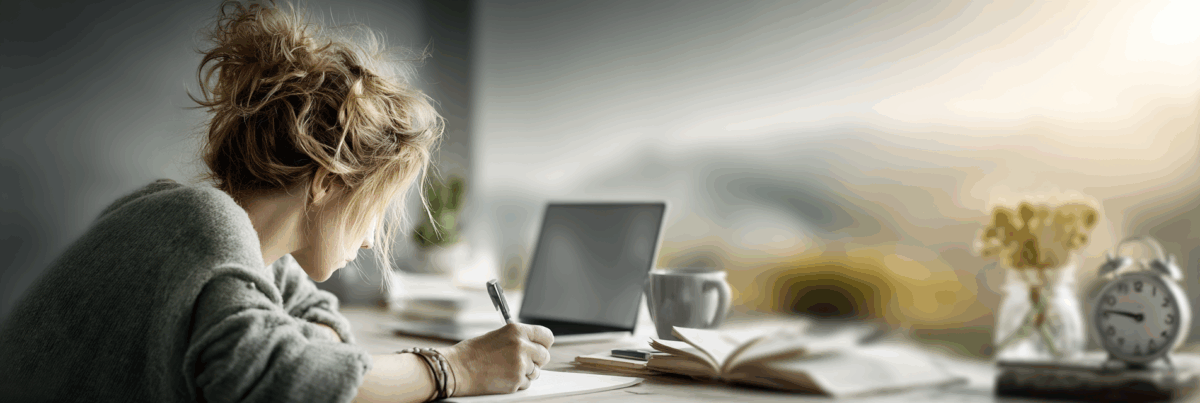
At first, that felt mechanical. I worried I was tricking my creativity into becoming efficient, into behaving. But soon, I realized that the ideas were still alive—just calmer. They had learned the rhythm too. They waited until their day arrived, like friends who know which door to knock on.
The more I leaned into structure, the more I noticed something else. I no longer feared running out of ideas. The consistency created space for them to unfold slowly. The small rituals—opening my laptop at the same hour, pouring coffee, clearing the desk—became cues. My body understood that it was time to create. Inspiration stopped being a lightning strike and became a current, steady and renewable.
Still, there’s a quiet unease that lingers. Sometimes I miss the wildness of those unstructured nights, when I could chase a thought without watching the clock. I miss the accidents, the moments that led me somewhere unexpected simply because I had nowhere else to be. There is a certain kind of magic that only chaos provides, a reminder that art is not always polite or planned. And I don’t want to lose that completely.
So I’ve started building pockets of unpredictability into the week. Moments without a label. A few hours where nothing has to be productive. Sometimes I use that time to play in a new tool, experiment with color, or explore an idea that doesn’t have a clear purpose. Those little acts of rebellion keep the balance from tipping too far. They let curiosity breathe inside the frame.
What I’m beginning to understand is that structure doesn’t have to mean control. It can mean trust. A schedule is a promise to show up, even when the spark feels small. And in that consistency, the work deepens. The mind begins to connect threads that once felt scattered. What used to depend on mood now depends on momentum.
There’s also a kind of emotional quiet that comes with this rhythm. I no longer end the day feeling guilty for what I didn’t finish. I no longer wait for perfect conditions. The work meets me where I am. There’s comfort in that simplicity. A kind of companionship.
I still wonder if this balance will hold. Maybe one day I’ll crave the old chaos again. Maybe creativity, like the seasons, needs to shift its pace every so often. But for now, the steady hum of this structured life feels like the right tempo.
Maybe creativity doesn’t suffer from order. Maybe it’s been waiting for it all along. The schedule isn’t a cage. It’s a frame. And inside it, the work can finally breathe.